




The insurance industry is entering one of the most significant periods of transformation in its history. Artificial intelligence is moving beyond experimentation, customer expectations are changing rapidly, and insurers are being challenged to rethink decades-old operating models
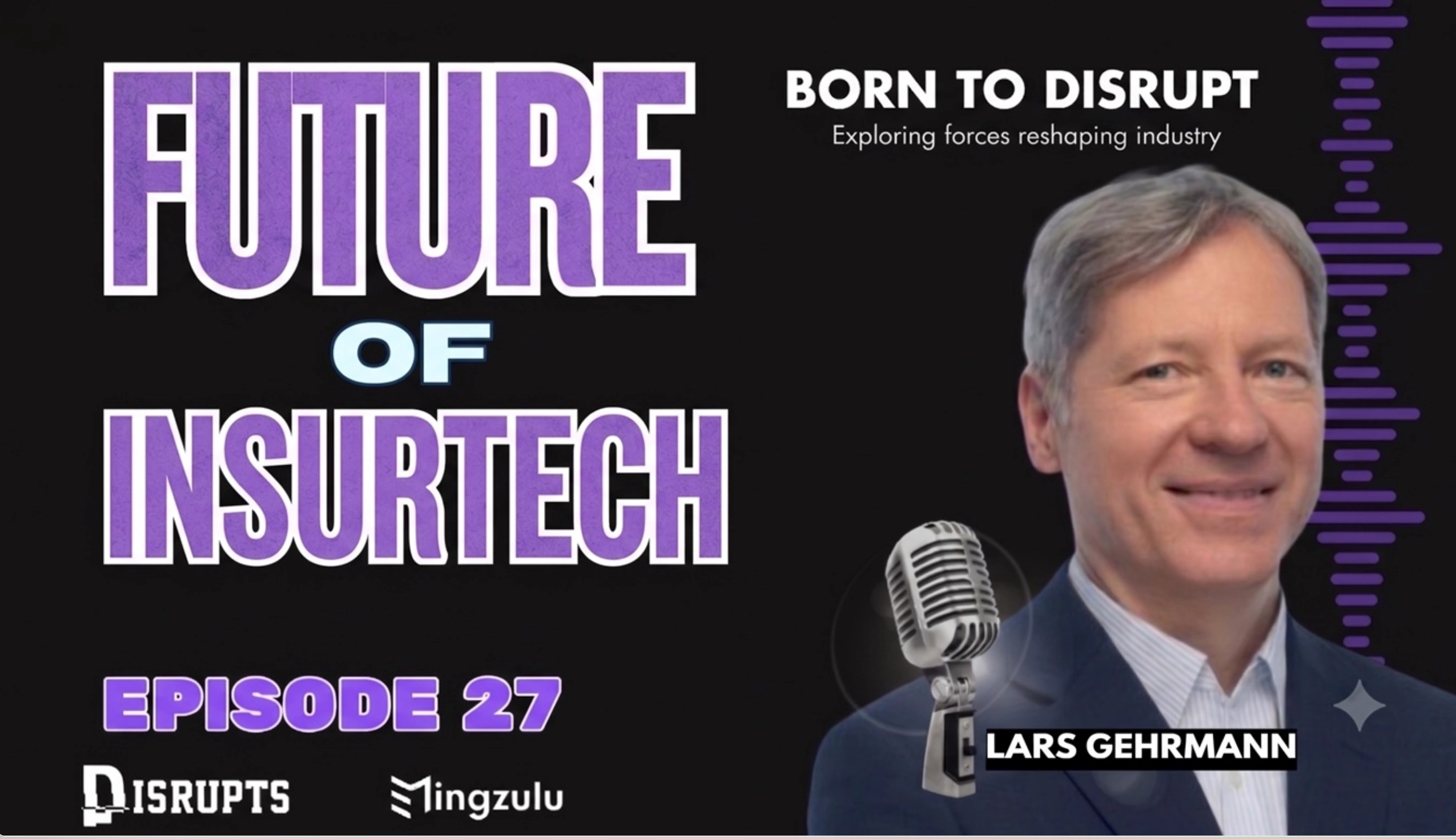
In the latest episode of Born to Disrupt, hosts Mark Walker and Simon Hardie are joined by Lars Gehrmann, one of the Middle East's leading digital transformation executives. Drawing on his experience leading digital strategy, AI and innovation at a leading GCC insurance group, Lars shares an insider's perspective on how technology is reshaping one of the world's oldest financial services industries.
Rather than viewing AI as another technology trend, Lars argues that insurers must see it as an opportunity to fundamentally redesign how they operate, serve customers and create value.
Insurance has traditionally been characterised by complex processes, legacy systems and significant administrative overhead. AI is changing that equation.
The discussion explores how insurers are applying AI across underwriting, claims processing, fraud detection, customer service and operational efficiency. While automation remains important, the greatest opportunity lies in augmenting human expertise rather than replacing it.
Lars explains that successful organisations focus first on solving genuine business problems before selecting technology. AI should improve decision-making, increase speed and enhance customer outcomes, not simply automate existing inefficiencies.
One of the strongest themes throughout the conversation is the shift towards customer-centric insurance.
Consumers increasingly expect the same seamless digital experiences they receive from leading technology companies. This means insurers must move beyond transactional relationships and build continuous engagement throughout the customer lifecycle.
The organisations that succeed will be those that combine technology with trust, transparency and human empathy.
Digital transformation is rarely constrained by technology. Instead, Lars highlights that organisational culture, leadership alignment and talent are often the biggest barriers to innovation.
Technology alone does not create innovation. Organisations must create environments where people feel empowered to test, learn and adapt.
Another important theme is the growing importance of partnerships across the insurance ecosystem.
Large incumbents can no longer innovate entirely on their own.
Collaboration between insurers, startups, technology providers and regulators is accelerating the pace of innovation while reducing risk. Lars discusses how venture partnerships, innovation programmes and industry collaboration are helping to bring new ideas to market much faster than traditional development models.
As AI capabilities continue to accelerate, governance becomes increasingly important.The conversation explores the need for responsible AI frameworks that balance innovation with security, transparency and regulatory compliance.
Financial services organisations have a unique responsibility to ensure AI decisions remain explainable, fair and aligned with customer interests. Building trust in AI will become just as important as building the technology itself.
Throughout the discussion, Lars returns to a consistent leadership message: The organisations that thrive over the next decade will not necessarily be those with the biggest technology budgets, they will be those with the clearest vision, strongest culture and willingness to continually evolve.
Transformation is becoming a continuous capability rather than a one-off programme.For insurance leaders, that means building businesses that are adaptable, customer-focused and capable of learning faster than the market around them.
Whether you're a CEO, CIO, insurer, investor or technology leader, this conversation provides valuable insight into how one of the world's largest industries is preparing for the next decade of disruption