





Check the episode out via Spotify, SoundCloud or listen away via via link below:
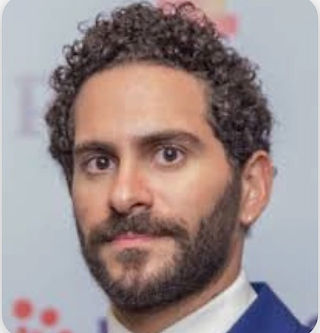
Ahmed recounts his unconventional path to Web3, starting on Wall Street in investment banking before launching a successful e-commerce venture. This entrepreneurial streak led him into venture capital, where he quickly discovered the unique challenges of valuing and backing early-stage tech startups. His interest in decentralised finance was sparked around 2012 by the rise of Bitcoin, particularly its promise of giving individuals control over their wealth without central oversight.
Ahmed later joined EMURGO, one of the founding entities behind Cardano, a leading Layer 1 blockchain. There, he led the deployment of a venture fund focused on Web3 startups, particularly in the Global South. EMURGO’s investments have supported projects across frontier markets where decentralised technologies offer viable alternatives to weak or underdeveloped financial infrastructure.
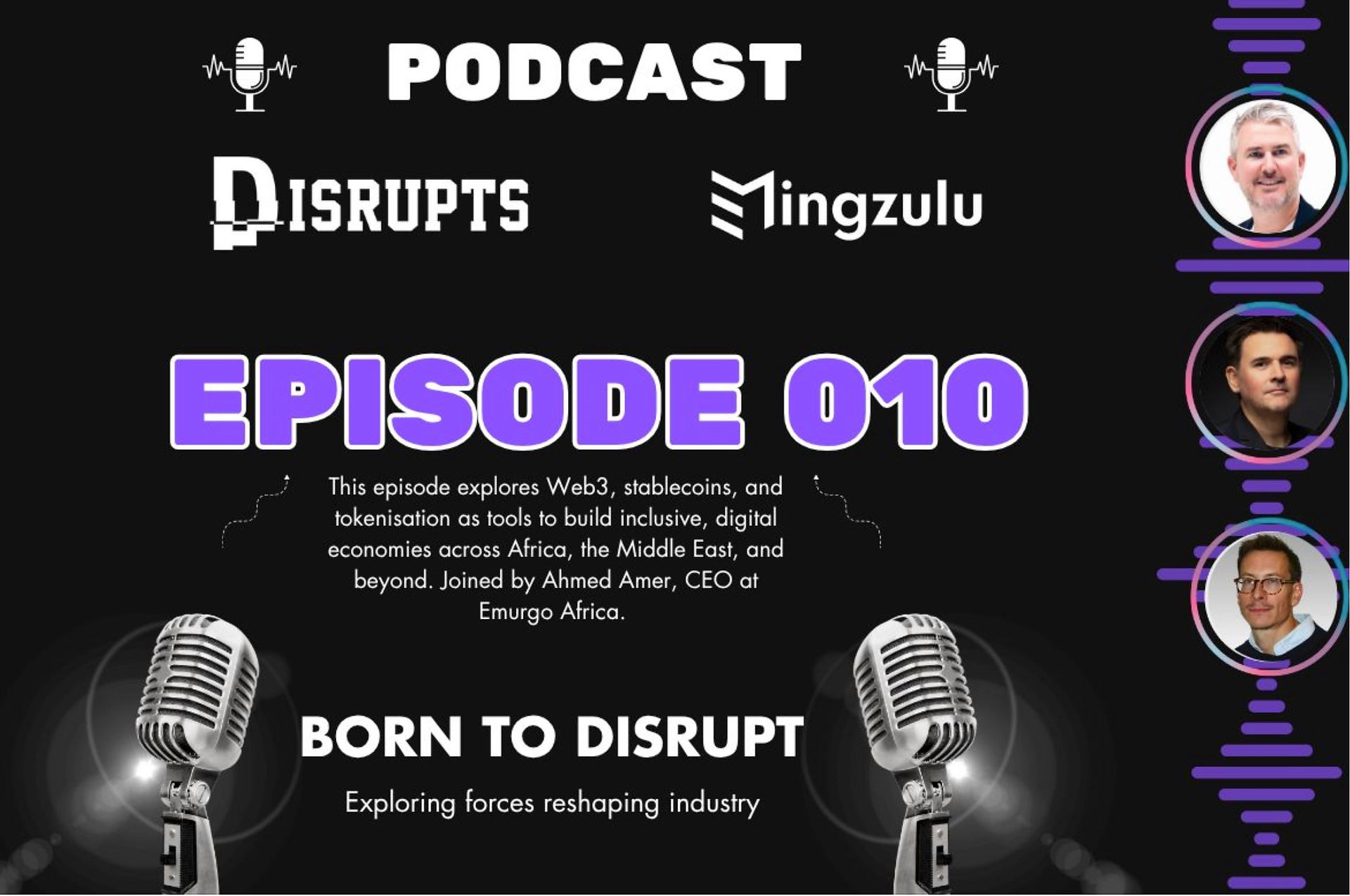
A major theme of the conversation is stablecoins—digital tokens pegged to fiat currencies like the US dollar. Ahmed explains how these instruments have emerged as a crucial financial bridge in economies plagued by currency volatility and limited access to hard currency. He shares how, during the COVID-19 pandemic, stablecoins enabled international trade when traditional banking systems faltered, particularly in countries reliant on imports.
Ahmed contrasts the utility of stablecoins with Bitcoin, which, while visionary, is too volatile for day-to-day or institutional use. He argues that governments and businesses prefer the stability and regulatory potential of stablecoins, and highlights EMURGO’s own launch of a regulated stablecoin—USDA—as a key milestone. This move not only supports Cardano’s ecosystem but aims to provide trusted, compliant digital payment options in emerging economies.
The episode digs deep into tokenisation, where real-world assets like gold, property, or commodities are divided into smaller, tradable digital tokens. Ahmed illustrates how this can democratise access to previously out-of-reach investment opportunities—enabling individuals to own fractions of high-value assets without the burden of physical custody or logistical barriers.
He notes that tokenisation is already transforming sectors like real estate and private equity. In regions like the UAE, pilot projects are underway, and early adopters within traditional finance are beginning to recognise the efficiency, liquidity, and transparency benefits of blockchain-based systems.
A recurring insight is Ahmed’s belief that Web3 will only thrive when integrated with traditional financial systems. His team at EMURGO Labs focuses on developing solutions that operate at the intersection of Web3 and conventional industries such as trade, payments, and investment. This pragmatic approach aims to overcome the disconnect between crypto-native communities and “suits” in legacy institutions.
Ahmed calls for a collaborative mindset—one where technologists, regulators, and established institutions work together to build inclusive financial systems. He underscores that real impact in emerging markets depends not on replacing legacy systems, but on building scalable infrastructure that connects decentralised innovation with regulated environments.
Looking ahead, Ahmed sees real-world asset tokenisation as EMURGO’s key focus, particularly across Africa and the Middle East. He argues that these regions are uniquely positioned to leapfrog outdated systems and adopt blockchain technologies at scale. From remittances to mining and commodities, tokenisation and stablecoins offer credible solutions to systemic inefficiencies.
Ahmed’s message is clear: Web3 is no longer just theoretical. It’s happening—and its future lies in practical, regulated, and inclusive applications that serve real economic needs.