




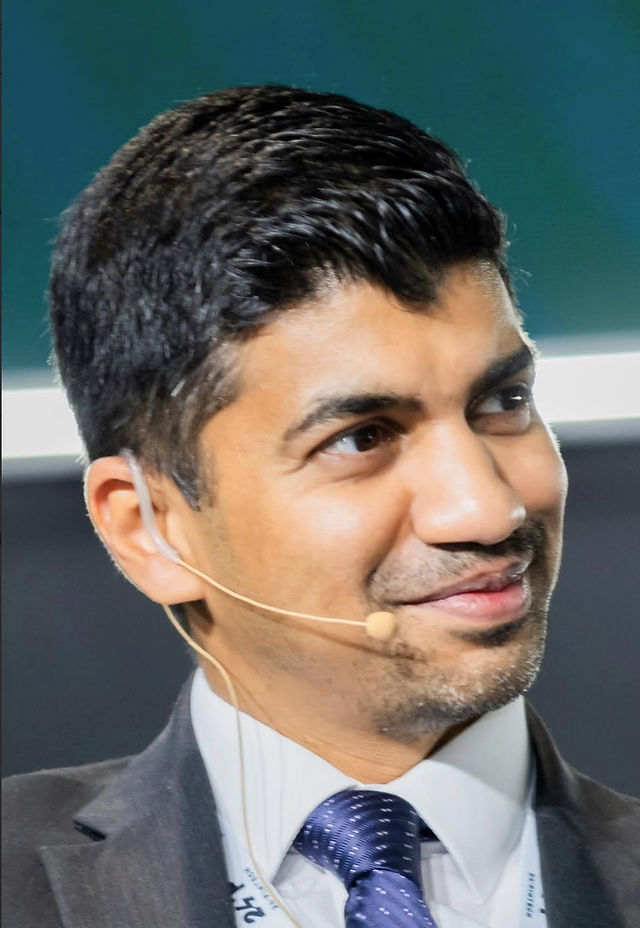
Sagar’s early career began at EY in London, where he gained foundational skills in investment, advisory, and data-led decision-making. A formative moment came when he was seconded to Libya’s National Economic Development Board to design an investment framework for $150 billion in infrastructure funding. This high-stakes, policy-level project taught him to operate using first principles thinking—a philosophy he has since applied across investment, advisory, and public sector roles.

Returning to the UK, Sagar transitioned into advising family businesses, many of whom had completed exits and were building family offices. This gave him early insight into how wealth and investment strategies were evolving, particularly as technology began to disrupt traditional finance. His growing interest in fintech and ecosystem dynamics would eventually lead him to the Middle East.
Sagar defines an ecosystem as a community of interdependent actors—startups, investors, corporates, government, regulators, universities—working together to solve problems and foster innovation. He contrasts organic ecosystems, such as the post-2008 fintech boom in London, with designed ecosystems, which require intentional policy, structure, and resources.
Key to a successful designed ecosystem is a dedicated enabler—a central organisation or team responsible for uniting stakeholders, maintaining momentum, and ensuring progress toward shared goals. According to Sagar, the enabler must deliver across three key pillars:

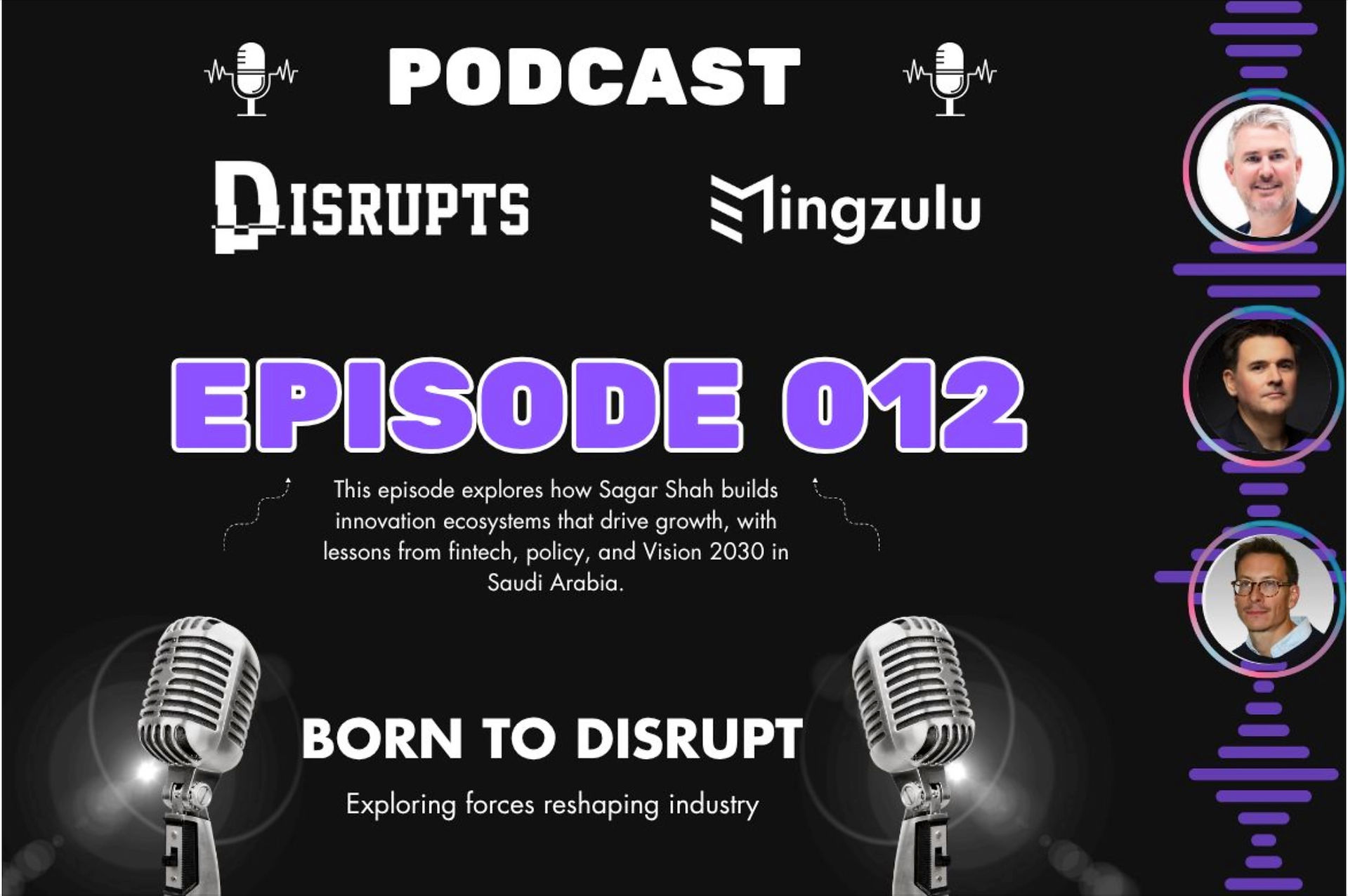

One of the most compelling examples discussed is Fintech Saudi, a programme Sagar helped launch in 2018. At the time, the Saudi fintech sector consisted of just ten startups. By aligning with Vision 2030 and the Financial Sector Development Programme, Fintech Saudi established a roadmap to nurture the sector through talent development, public engagement, and regulatory collaboration.
In just five years, the ecosystem has grown to over 216 fintech companies, with investment increasing from 20 million SAR to nearly 7 billion SAR. Fintech Saudi’s approach was highly iterative, relying on feedback loops and adapting its offerings to the community’s evolving needs. Examples include summer programmes for students, university partnerships, and online sessions that drew thousands of participants.
Sagar highlights that their impact came not from mandates, but by creating incentives—whether learning opportunities, funding pathways, or career development. The ecosystem attracted and retained engagement by offering value at every touchpoint.
As ecosystems mature, Sagar notes, their enablers must also evolve. The needs of a 10-startup sector differ greatly from those of a 200-startup one. Increasingly, there is a need for sub-ecosystems—for instance, within fintech: insurtech, regtech, embedded finance—each requiring tailored support and programmes.
Looking forward, Sagar believes that the ecosystem approach is applicable far beyond fintech. Sectors like artificial intelligence, climate technology, health, and defence stand to benefit from similar structured, collaborative models. He cites the COVID-19 pandemic as a moment when cross-disciplinary collaboration—like F1 engineers developing medical devices—demonstrated the power of ecosystem thinking under pressure.
Sagar’s message is clear: ecosystem building is both art and science. It requires deep listening, stakeholder mapping, and a commitment to long-term value rather than short-term wins. Whether driven by governments, corporates, or communities, ecosystems must remain adaptive, inclusive, and strategically led.
This episode provides a rare, behind-the-scenes view into how entire industries can be transformed through structured collaboration, intentional design, and a shared belief in collective growth.